


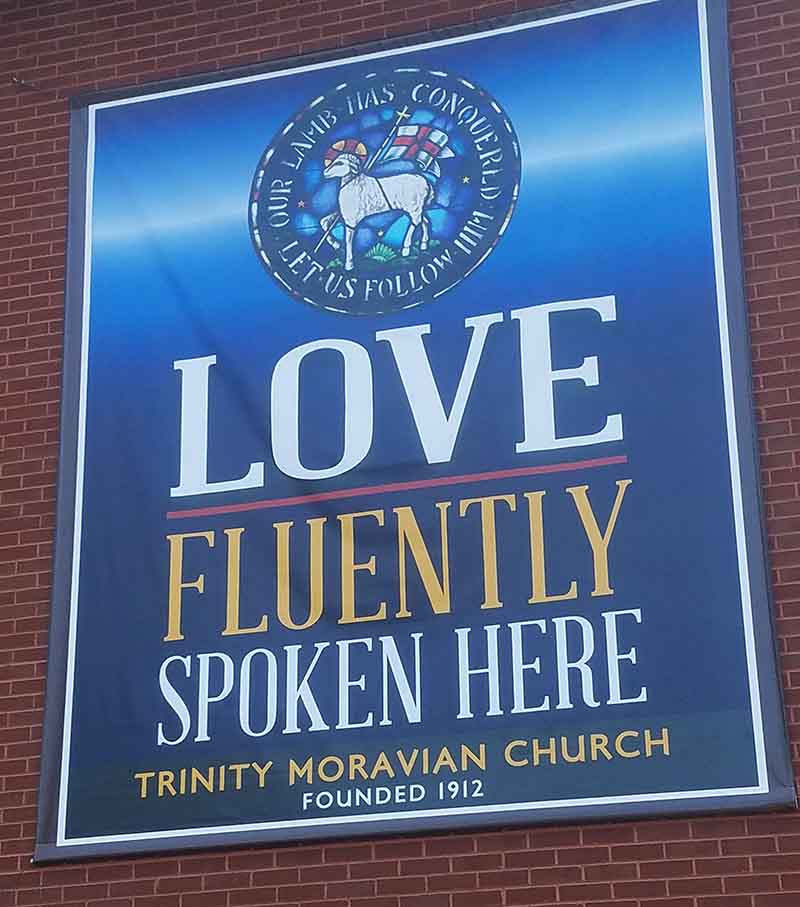
Love Fluently Spoken Here!
Sundays:
9:45 AM Adult Sunday School
11:00 AM Worship
Wednesdays:
5:30 pm LOGOS Children’s Ministry
9:45 AM Adult Sunday School
11:00 AM Worship
Wednesdays:
5:30 pm LOGOS Children’s Ministry
Trinity Moravian Church
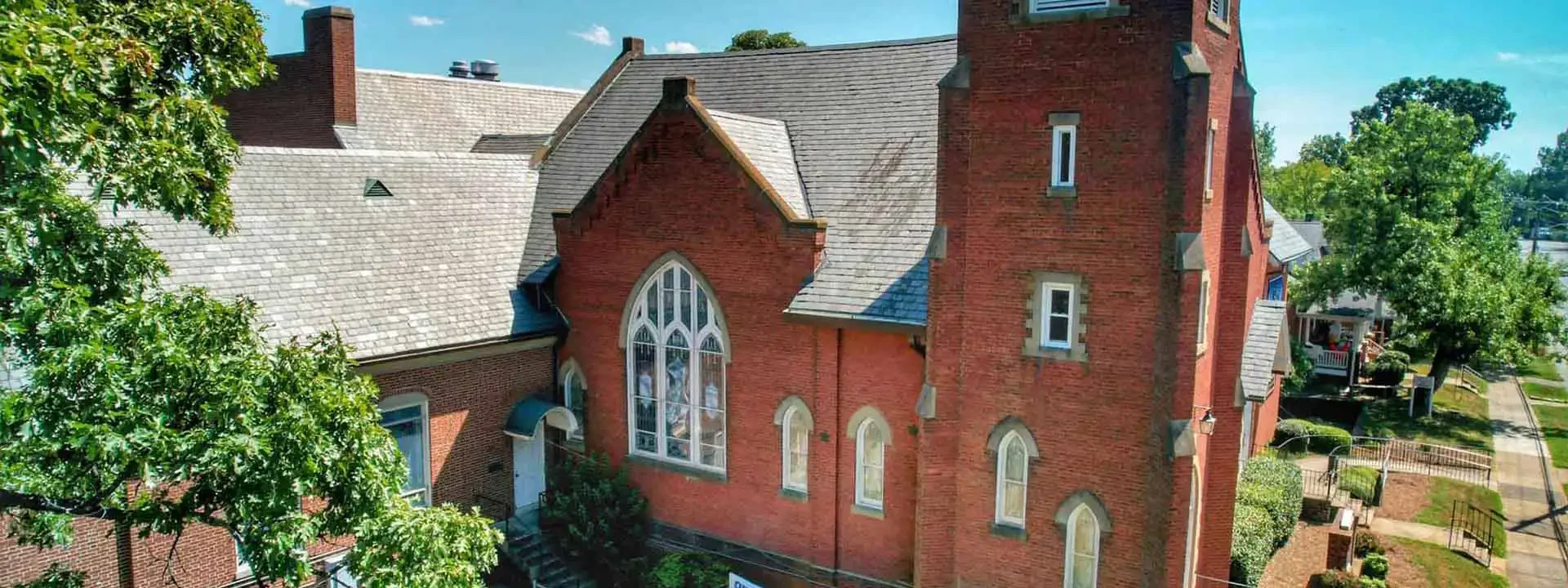
Corner of Sunnyside Avenue & East Sprague Street
Winston-Salem, NC 27127
EMAIL: office@trinitymoravian.org
PHONE: (336) 724-5541
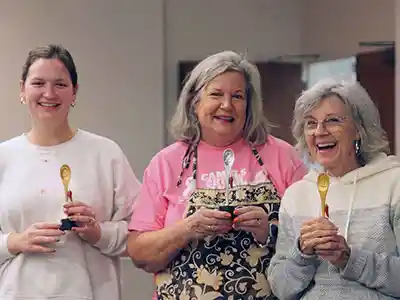
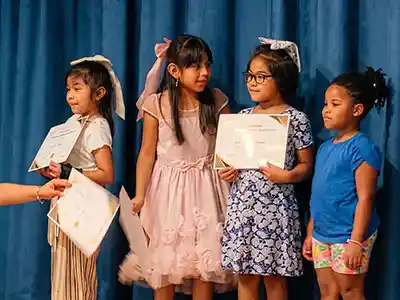
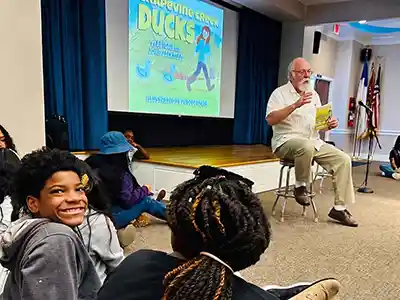
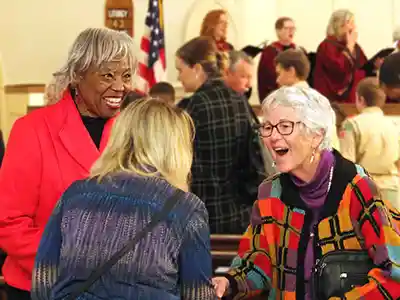
Welcome to Trinity Moravian Church!
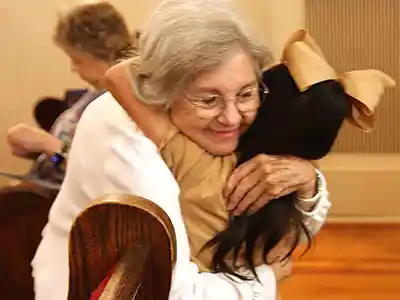
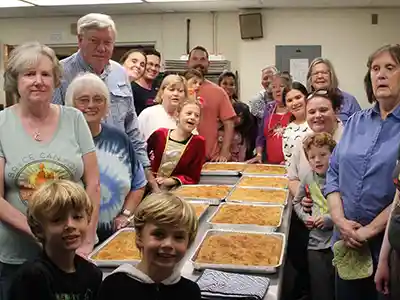
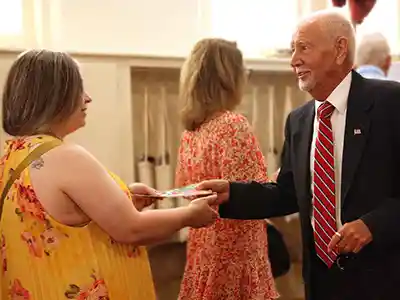
We are glad you’re here. As a Moravian community, we believe in keeping things simple, informal, and deeply rooted in love. Around here, you’ll find a relaxed, family-friendly atmosphere where you can come as you are. We are passionate about living out our faith through hands-on service—both in our neighborhood and beyond. No matter where you are on your spiritual journey, there is a place for you to connect, grow, and serve alongside us. Join us this Sunday to experience our community firsthand!
About Pastor Jackman
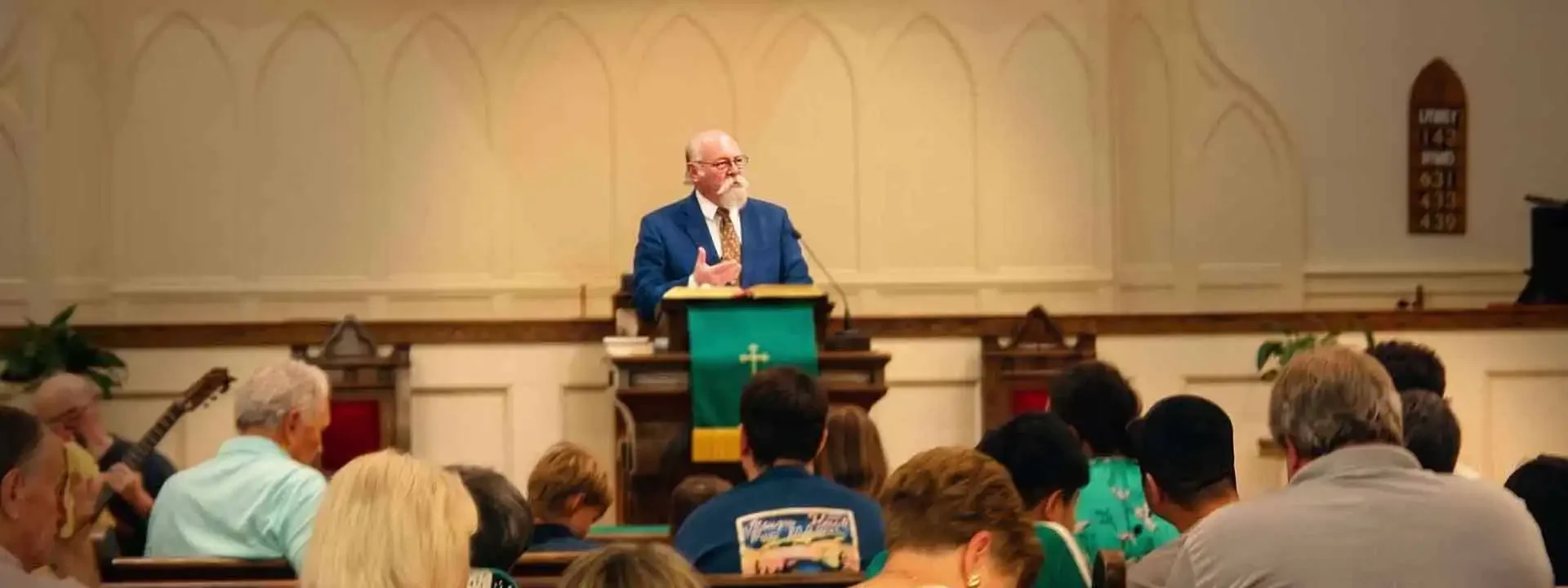
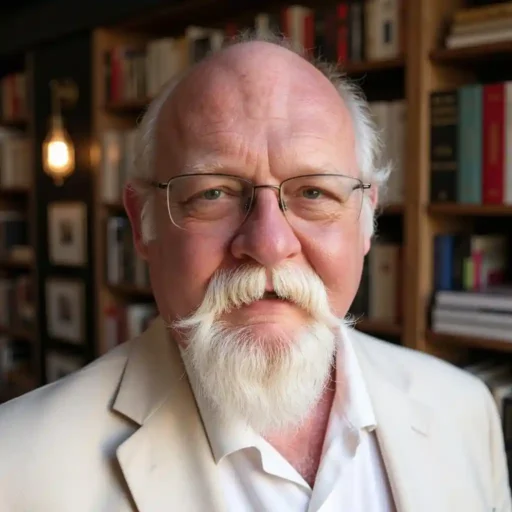
John Jackman is a pastor, community leader, speaker, author, and award-winning filmmaker whose work reflects a lifelong commitment to faith, justice, and the power of storytelling to transform lives.
Ordained in the Moravian Church in 1982, John serves as Senior Pastor of Trinity Moravian Church in Winston-Salem, North Carolina. He holds a B.A. in Philosophy from Moravian College and a Master of Divinity from Moravian Theological Seminary, with additional training in ministry to individuals and families affected by mental illness. Throughout his ministry, he has sought to connect spiritual life with practical compassion, helping congregations become active partners in the well-being of their communities.
Under Pastor John’s leadership, Trinity has supported innovative neighborhood ministries, including Anthony’s Plot, which developed initiatives addressing homelessness, housing justice, and educational opportunity. The church has also participated in Freedom School, helping provide meaningful summer learning experiences for children.
John is the founder of the Debt Jubilee Project, a ministry created to relieve the burden of past-due medical debt for struggling families. Working with Undue Medical Debt, the project purchases and forgives medical debt, offering recipients a fresh start without requiring repayment. Its remarkable impact has attracted national and international media attention and helped inspire broader efforts to address medical debt through partnerships among nonprofits, hospitals, and public leaders. For John, the project embodies a central conviction: faith is most meaningful when it becomes tangible compassion.
Beyond the pulpit, John is an accomplished speaker and filmmaker. He has taught for the American Film Institute, lectured at the Library of Congress, and addressed audiences ranging from small groups to thousands. He is the author of Lighting for Digital Video & Television and Blue Screen Compositing and has produced and directed award-winning historical films exploring faith, history, and social transformation.
Across all his work, John seeks to inspire curiosity, deepen understanding, and encourage people to turn their convictions into meaningful action.
 Trinity is a very informal congregation. Many people attend services in suit & tie or a dress, but just as many come dressed informally. You are welcome to come as you are!
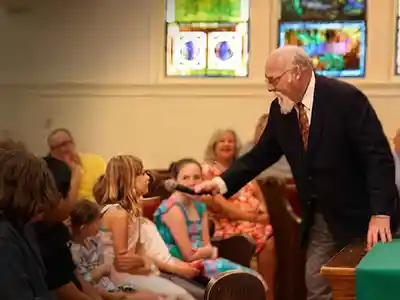
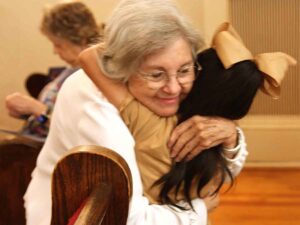
If you visit Trinity on a Sunday morning, expect to have a number people greet you and introduce themselves – but you’re welcome to sit anonymously in the back or in the balcony. We don’t call attention to visitors or ask them to introduce themselves in worship.
Trinity is an active congregation with many programs, so there is always a time for announcements at the end of worship, this is a time when prayer concerns are also shared.
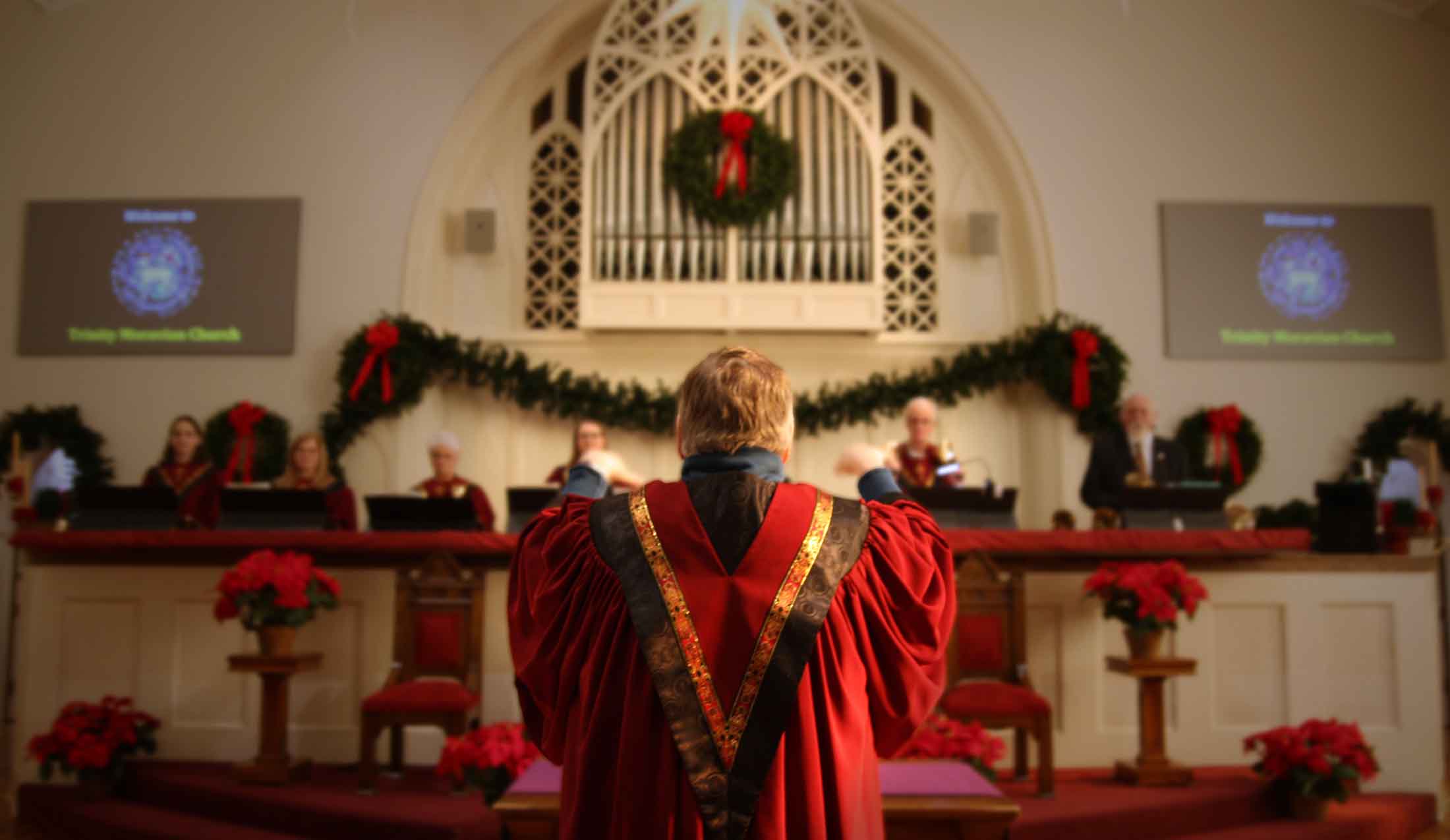
The worship service includes different styles of music including contemporary songs and newly written hymns. Music is a core part of Moravian worship, and so there is a great deal of congregational singing and we enjoy the music of our adult choir, the contemporary and upbeat LOGOS youth choir, a bell choir, and beautiful Moravian chorale band.
Children are welcomed in worship, and there is a children’s sermon every week. After the children’s sermon, younger kids are invited to Children’s Church program. Child care is always available during worship. The child care is staffed by a paid, certified staff and rotation of experienced volunteers. There are always two adults on duty. Our Safe Sanctuary program means that all workers have been background checked, drug tested, and trained.
We use a Moravian liturgy in every service, which is a common responsive prayer that is experiential in nature. Scripture lessons are read by laypersons from the congregation, and are usually the same lessons shared in Lutheran, Methodist, Episcopalian, and other churches.
The sermon is focused on the Scripture lessons, and often emphasizes the words and actions of Jesus in the Gospel lesson. The message is usually one that connects to daily living and spiritual growth in today’s world, and emphasizes the love of God and faithful grace-filled living. You can listen to some of Pastor Jackman’s sermons online at http://sermon.net/tmc.
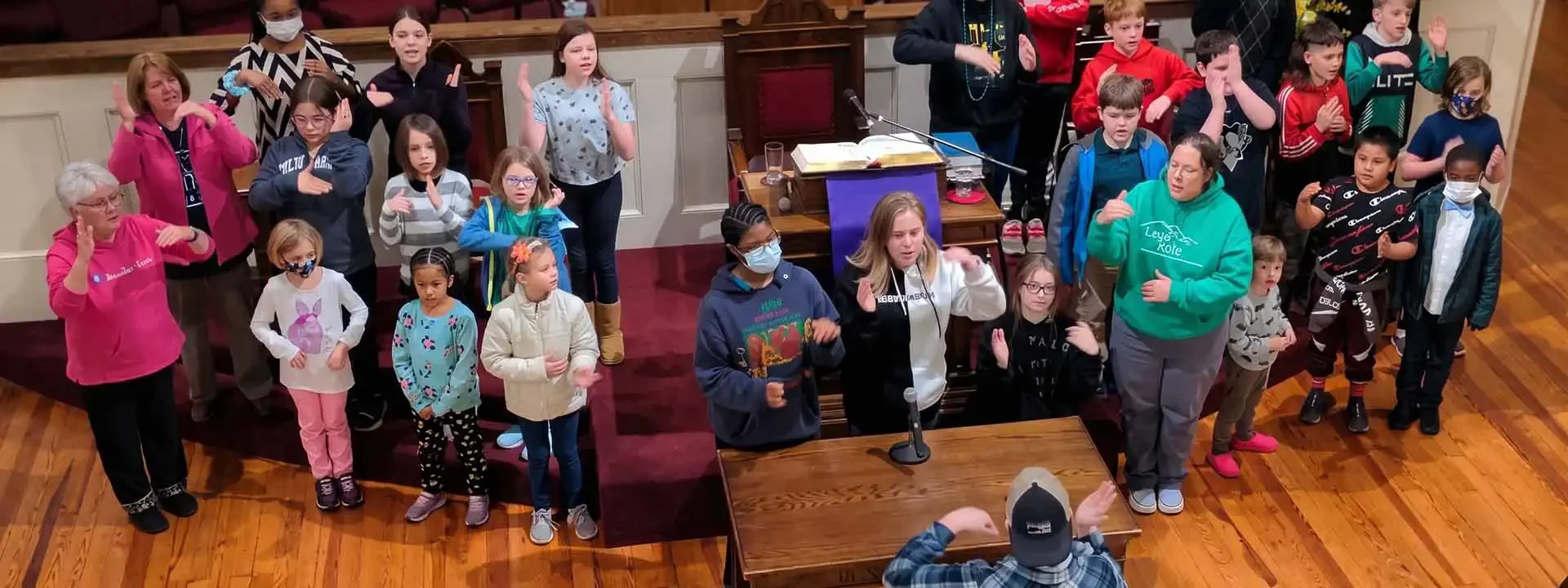
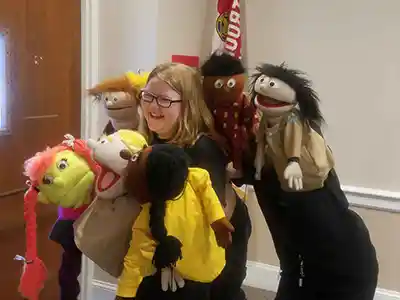
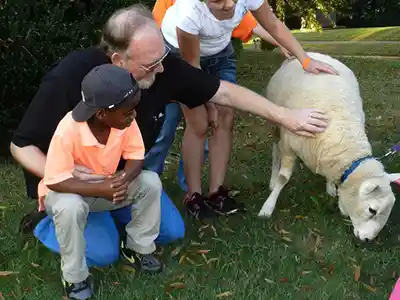
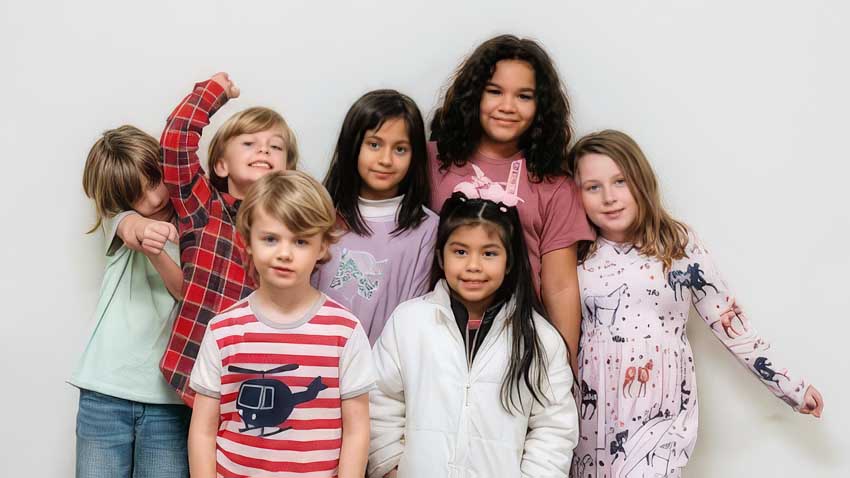 Children are an important focus of Trinity – always have been. We started off in 1886 as a Sunday School Chapel where local children learned to read the Bible. For decades, the children of Sunnyside came to Sunday School and Vacation Bible School at Trinity, whether their parents belonged or not. For the last thirty years, our amazing LOGOS Children’s Ministry has impacted hundreds of children’s lives in the neighborhood.
All services at Trinity welcome children, and we are not bothered with a little kid noise! Every church service includes a special message for the kids, and then those who wish may take part in a “children’s church” program. Older kids often stay for the worship and the sermon.
 We are passionate about the safety of all children, so we participate in the SAFE SANCTUARY program.
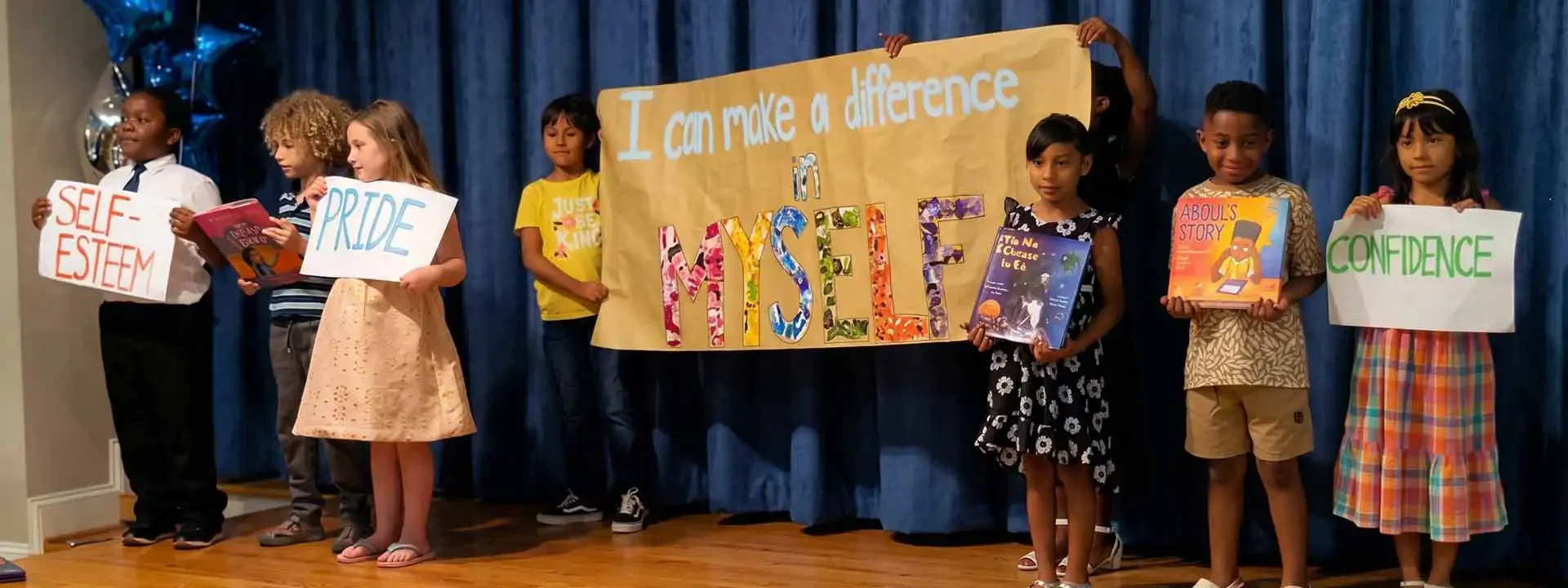
Ten years ago, we opened our doors to host Sunnyside Freedom School, a summer educational program run by the Children’s Defense Fund, and ministering particularly to challenged children of color who have been recommended for help by their teachers. This fun, exciting program focusses on reading skills, but with books that feature black and brown main characters. They also learn science, art, and life skills in a fun, active environment.
In 2025, when the local school system announced a multimillion dollar shortfall, Trinity stepped up and adopted Konnoak Middle School, working to support teachers and student alike with practical help and support.
 In some ways, Trinity is "average." We are pretty much the average size of most US congregations, we have about the same average attendance as most community churches. But in other ways, we are very different.
Most churches say “all are welcome,” but clearly many people are not really welcome. Trinity is different in that all are genuinely welcomed, whether rich or poor, well-dressed or style disaster, gay or straight. We’re conscious of the radical welcome that Christ has extended to us, and we want to share that with you – no matter your background. We encourage other congregations to also adopt such welcome.
Many churches tell you what you must believe to be part of their fellowship. At Trinity, we want you to bring your brains to church! Jesus said that we should love God with all our hearts, our souls, and our minds. So bring your questions and your doubts!
Many churches today are struggling to keep the doors open and focus inwardly on caring for their members. We believe that we serve God best by serving our neighbors outside our walls. Trinity is very involved in the community, and as a result has an outsized impact.
Some churches have fog machines and moving lights and feel like a rehearsed concert. At Trinity, we’ve got some projection for the words of the hymns, but we also use hymnals and expect you to sing, even if you can’t carry a tune in a bucket, Our pastor is not cool and only wears torn jeans when working in the yard at home. Worship is informal and friendly, and if the kids make some noise, we’re glad they are there!
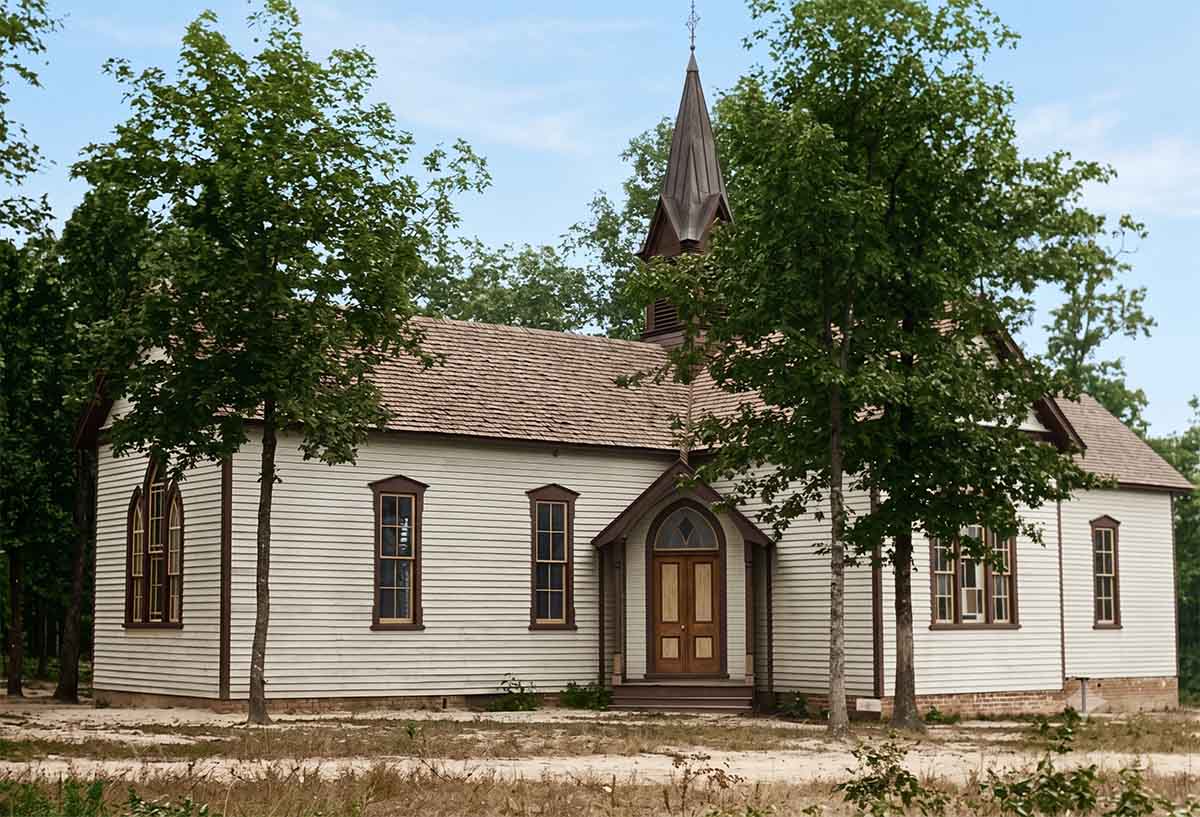
DEDICATED TO THE COMMUNITY: Centerville Chapel began specifically to minister to the children of the new neighborhoods of Centerville and Sunnyside. When it became Trinity Moravian Church, it was focused on active ministry to the neighborhoods. Through the depression, many Sunnyside residents supported one another with the help of this vital congregation.
In the 1970s, a group began a small food pantry and clothing ministry in the basement of Trinity. “Sunnyside Ministry” grew and eventually took over a storefront in the neighborhood. That ministry continued to grow, becoming a provincial ministry and now an independent nonprofit that is one of the most significant emergency aid organizations in the area.
For many years, Trinity also hosted a free medical clinic to make sure that all children could receive medical care and immunizations.
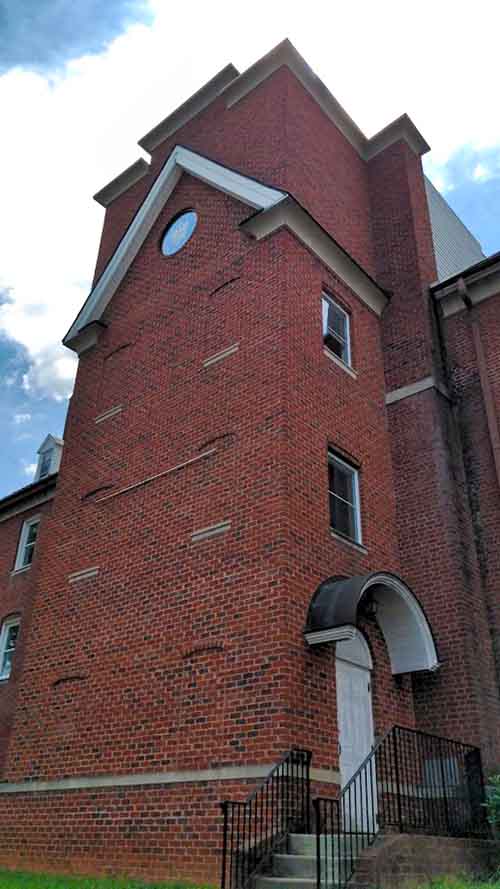
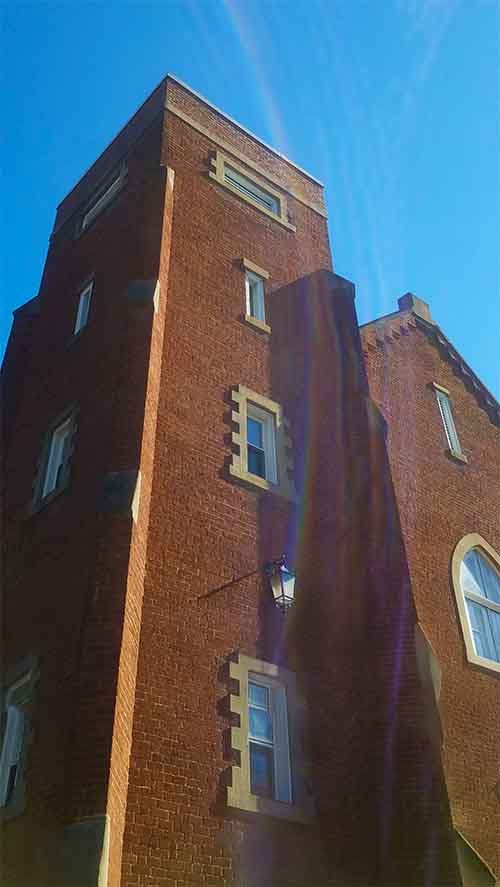
In the late 1990s, the neighborhood was quite challenged, with many vacant homes, poverty, and drug use. Many members had moved out of the neighborhood. At the same time, the 85 year old building urgently needed substantial repairs that would be quite expensive. The easy solution seemed to be to sell out and build a new, modern church in the suburbs. But after extensive study, the congregation voted overwhelmingly to stay “on the corner, on the rock,” dedicated to this challenged neighborhood. A capital campaign renovated the ageing building, installed an elevator, put in new modern HVAC systems, and the congregation rededicated itself to the community.
A group went to Baltimore to be trained in the then-new LOGOS intergenerational ministry program. The entire congregation threw themselves into this neighborhood ministry, which has changed many lives and helped many families.
In 2010, the congregation invited a startup neighborhood ministry, Anthony’s Plot, to use the old parsonage as a home base, and began a fruitful cooperative ministry that would significantly impact the neighborhood. Out of that relationship grew the City With Dwellings homeless ministry, the Equitable Housing Project, a new justice ministry helping families impacted by redlining own homes, and the institution of a new Freedom School program.
Over the last decade, Pastor Jackman had become increasingly aware of the specter of medical debt and the many families that were burdened by lack of medical care and serious debts resulting from hospitalization. Working with Undue Medical Debt (then called RIP Medical Debt) the board organized a visionary program called the Debt Jubilee Project. This ministry simply exploded, going viral in 2024, inspiring hundreds of other churches across the nation to undertake similar ministries, and inspiring state officials to put together a state-wide medical debt relief program.
We affirm that all people, regardless of race, culture, country of origin, gender, orientation, or ability, are welcome and beloved in God's Kingdom and in our congregation.


In essentials, UNITY
In non-essentials, LIBERTY
In all things, LOVE
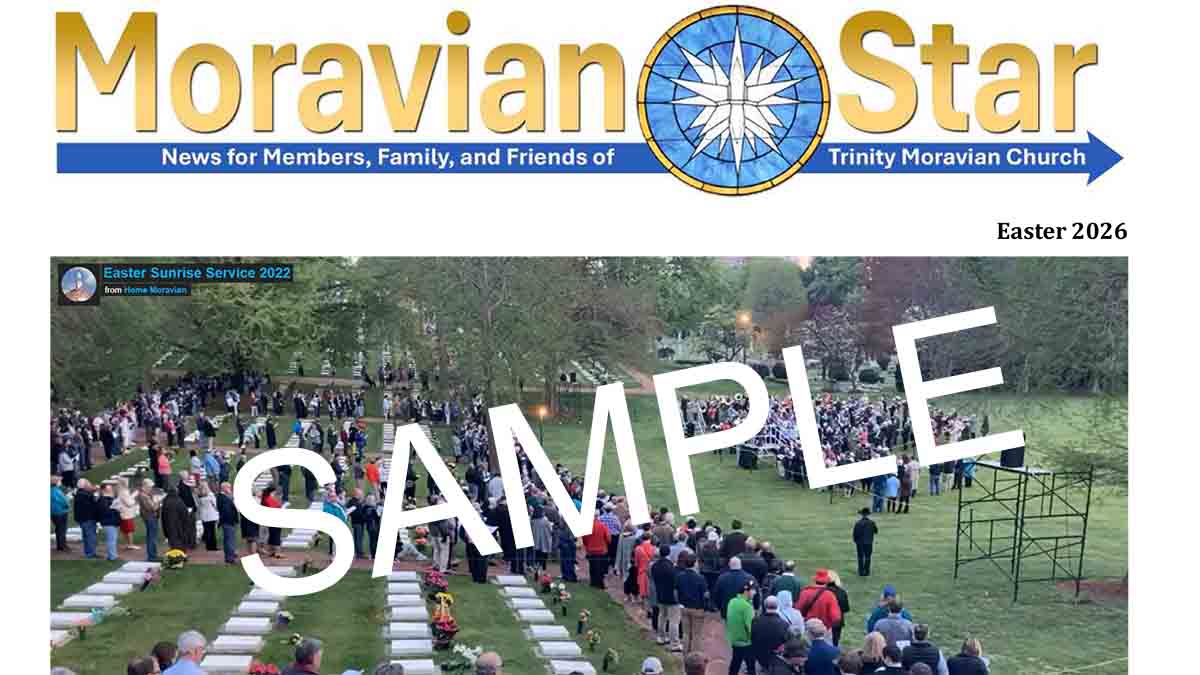
Newsletter Published
“Lorem ipsum dolor sit amet, consectetur adipiscing elit, sed do eiusmod tempor…
 Trinity Moravian Church